Introduction: The Birthplace of Port Wine
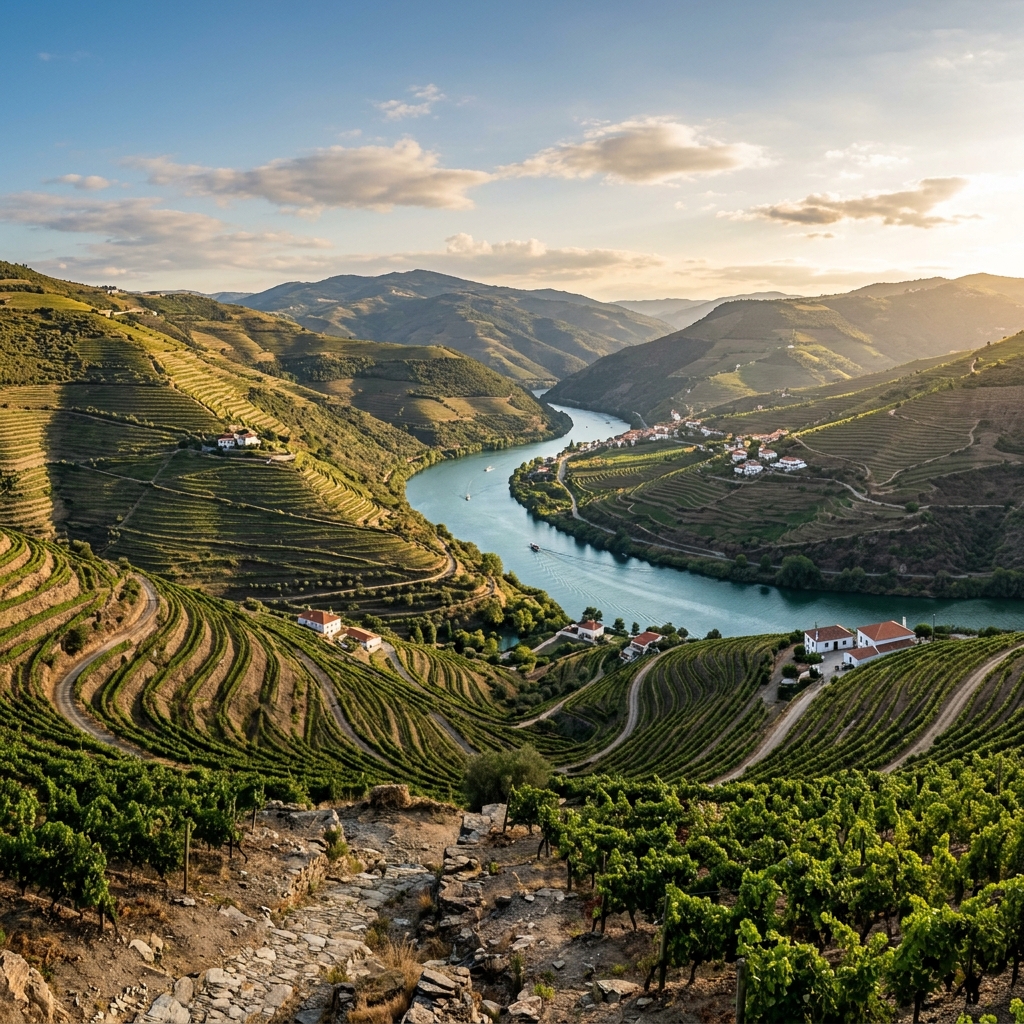
For centuries, the Douro Valley has stood as one of the world’s most spectacular and dramatic agricultural achievements. Located in northern Portugal, just a short distance from the historic city of Porto, this region is the oldest demarcated wine region in the world, established in 1756 by the Marquis of Pombal. Here, the Douro River cuts a winding path through steep hillsides covered in hand-built schist stone terraces, which are lined with ancient vineyards. In 2001, the unique beauty and heritage of the Alto Douro Wine Region were recognized as a UNESCO World Heritage site. For UK travellers seeking an inland holiday that combines dramatic scenery, world-class wine, and rich cultural traditions, the Douro Valley represents the ultimate destination. This comprehensive guide covers everything you need to plan your perfect trip to Portugal’s majestic wine country.
A Landscape Sculpted by Hand: The Geology and Terraces
The beauty of the Douro Valley is not entirely natural; it is a collaborative masterpiece between nature and human labor. The region’s soil is composed almost entirely of schist, a brittle, slate-like rock that allows the vine roots to penetrate deep into the earth to find water during the hot, dry summers. Over centuries, generations of grape growers carved these steep hillsides by hand, constructing miles of dry stone walls to support the narrow terraces that hold the vines.
This dramatic terracing creates a microclimate perfectly suited for wine production, keeping the heat of the day trapped in the stones and releasing it slowly overnight. The valley is shielded from the cold Atlantic winds by the Marao and Montemuro mountain ranges, ensuring hot, dry summers and cool, crisp winters. This unique terroir is what gives the region’s famous Port wines and rich table wines their distinctive depth and complexity.
Navigating the Valley: Getting There and Scenic Routes
Planning your journey through the Douro Valley is an essential part of the travel experience, as the routes themselves offer some of the most beautiful views in Europe:
- Flights: Porto Airport (OPO) is the primary gateway for UK travellers. It offers high-frequency, direct flights from London, Manchester, Bristol, Birmingham, and Edinburgh operated by TAP Air Portugal, EasyJet, and Ryanair. From Porto, the western entrance of the wine region at Peso da Régua is a 1-hour and 15-minute drive.
- The Scenic N222 Road: If you are renting a car, the stretch of the N222 highway running from Peso da Régua to Pinhão is legendary. Frequently voted one of the best driving roads in the world, it hugs the south bank of the Douro River, offering breathtaking sweeps of terraced vineyards around every bend.
- The Douro Railway (Linha do Douro): For a relaxed, car-free alternative, the train ride from Porto’s São Bento station to Pinhão and Pocinho is spectacular. The railway line runs along the edge of the riverbank, offering views that are inaccessible by road. Historic steam and diesel trains also run along this line during the summer harvest season.
Visiting the Quintas: Wine Tastings and Historic Estates
A trip to the Douro Valley is incomplete without visiting a quinta—a traditional wine-producing estate. Many of these historic estates have been owned by the same families for generations and offer guided tours of their vineyards, cellars, and tasting rooms.
- Quinta do Seixo: Located near Pinhão, this prominent estate offers some of the most famous panoramic views in the valley. Known for producing Sandeman Port, the quinta features a state-of-the-art winery and offers tastings on an outdoor terrace overlooking the river.
- Quinta da Roêda: Famed as the crown jewel of Croft Port, this estate is situated just outside Pinhão. Visitors can walk through the historic vineyards, learn about the traditional method of treading grapes in granite stone treading tanks (lagares), and taste their renowned vintage ports.
- Quinta de la Rosa: Nestled right on the riverbank, this boutique, family-run estate offers a more intimate experience. It features an excellent riverside restaurant, Cozinha da Clara, serving dishes made with ingredients sourced directly from their organic vegetable gardens.
Beyond Wine: Cruising the Douro River and Hiking
While wine is the main attraction, the Douro Valley offers plenty of activities for nature lovers and outdoor enthusiasts. The best way to experience the sheer scale of the valley is from the water. You can board a traditional wooden rabelo boat—historically used to transport wine casks downriver to Porto—for a leisurely 1-hour or 2-hour cruise starting from the pier at Pinhão.
For active travellers, the region offers spectacular hiking trails. One of the most famous viewpoints is São Leonardo de Galafura, perched 640 metres above the river. The poet Miguel Torga described the view from here as “a geological poem,” offering an unforgettable panoramic sweep of the river winding through the terraced hills. Several trails also wind directly through the vineyards, allowing you to walk among the vines and ancient olive groves.
Gastronomy of the North: Hearty Mountain Cuisine
The culinary traditions of the Douro Valley reflect the rugged, rural lifestyle of northern Portugal. Traditional dishes are hearty, designed to fuel workers in the vineyards, and are cooked with rich local olive oils and mountain herbs.
Classic dishes to try include Cabrito Assado (slow-roasted kid goat cooked with garlic and rosemary, served with roasted potatoes), Alheira (a traditional garlic sausage), and fresh river trout. The region is also famous for its olive oil, almonds, and honey, which are featured in many local desserts. Pair these dishes with the dry red and white table wines of the Douro DOC, which offer exceptional quality and value.
Expat and Retirement Appeal in the Douro
For UK expats seeking a peaceful, natural environment away from the busy coastal areas, the Douro Valley is an increasingly popular choice. The region offers a very low cost of living, clean mountain air, and a warm, welcoming local community. While summers can be very hot, the autumn harvest season (vindima) is a time of lively celebration, making it an inspiring and rewarding place to settle and enjoy the slow, traditional rhythms of northern Portugal.