The moment the air becomes crisper and the evenings start to draw in, something begins
to happen in our kitchen. The smell of vinegar cooking with cloves and mustard seeds fills
our house. It is that time of the year again—pickling time.
For us, however, autumn has very little to do with jumpers and hot chocolate – it has to do
with preserving a little bit of the harvest to take with us through the winter months. My
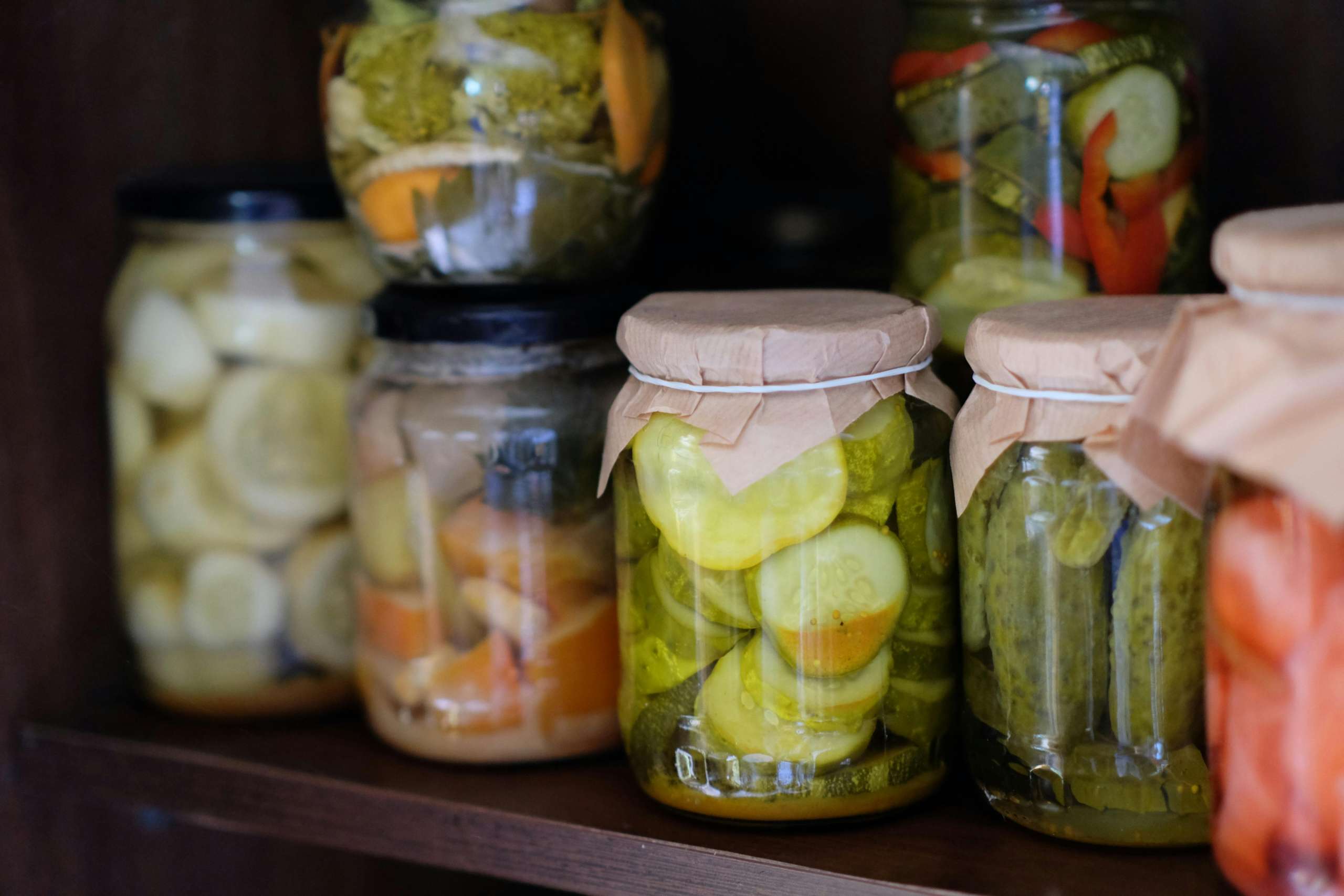
grandmother would stock her pantry with shelves upon shelves of glowing jars full of
pickled onions, beetroot, chutneys, cordials.
This year, we’ve been learning to preserve in these more traditional British ways: nothing
very adventurous, you understand – just proper, decent, old-fashioned methods that were
just as useful last century as they are now.
The Art of Pickling Onions
And if there was one smell that instantly transports us back to “British pickling” in our
minds, it has to be malt vinegar simmering on the stovetop. Sometimes we buy small
pickling onions and peel them one night. Peeling onions is not glamorous work, but after
the kids are in bed, we put on the stereo and work to the beat.
The onions should be peeled and immersed in brine solution, which is only composed of
water and salt, to keep them crisp.
Rinse them and pack them tightly in the sterilized jars.
The hot vinegar mixture flavored with mustard seeds, peppercorns, and bay leaves, with
sugar added to it, needs to be poured on the onions.
Seal the lids on and resist the urge to open them until they’re at least six weeks old –
they’re best eaten at that stage.
There is nothing to match a jar of homemade pickled onions, served on Christmas Day with
cold meat, cheese, or in a ploughman’s lunch – tangy, sweet, and packed with nostalgic
flavor.
Beginning every year in early October, we arrive at that stage where the kitchen worktops
are full of the final tomatoes, apples, and marrows in season. Instead of leaving them to go
soft, it becomes essential to make chutney out of them.
The process of preparing chutney is very versatile. You can follow recipes or throw
whatever stuff you’ve got lying around in the pot and see what you come out with.
In fact, our version is the standard one that uses chopped apples, onions, sultanas,
vinegar, brown sugar, and a combination of ginger and mustard seeds.
Then it goes in a large pot to simmer for a couple of hours until it reaches a thick, glossy
consistency.
The kids assist with this one—they enjoy it because they can stir it and lick the spoon after
it has cooled down a bit. The smell fills the house—it has notes that are sweet, spicy, and
tangy at the same time.
We bottle it and label it in the cupboard, of course! When Christmas comes, it tastes very
good because it has a good combination of flavors, and we always donate it to other
people because we’re generous that way!
Cordials Bottling The Last of Summer
The process is simple:
Pick your own berries or buy frozen berries.
Add sufficient water to cover and simmer until tender, before straining through muslin or a
clean tea towel.
While hot, pour the mixture into clean, sterilized bottles, sealing them after being filled
The final product is an intense, rich syrup that you thin out with hot water to make a
warming winter brew. There is nothing like being able to offer the cold, muddy schoolkids a
hot mug of cordial after they come in from school either.
Conclusion:
For me, pickling and preserving are about not only food but rhythm and rituals. The simple
tasks of chopping, stirring, waiting, tasting keep us tied to something older, something
slower. In an age where nothing can happen fast enough, there is simple pleasure in the
knowledge that the jar you’re opening in midwinter is one you’ve made yourself in late
October. It makes great gifts and condiments, and only takes a couple of bags of onions,
vinegar, sugar, and spice to keep you stocked with them through the winter months. Some
Things We’ve Learned All our lives,