Autumn in the UK has a way of sneaking up on you. One minute it’s barbecues, the next it’s conkers underfoot and wood smoke in the air. As a dad, I’ve learned that autumn is the perfect time to get the kids outdoors before winter turns the garden into a soggy no-go zone.
The trick is: you can’t just go blurt out, “Hey, let’s garden.” You have to add some energy to a little bit of a rough-around-the-edges gesture, and one that leads to a mug of hot chocolate afterwards.
Below are a few tried-and-true (and budget-friendly) methods that we get the kids in the garden every autumn, work that gets done, and memories that last longer than leaves on an oak tree.
Turn Raking Into Leaf Art
The autumn leaves conflict is one that all UK parents will recognize. Instead of engaging in battle, we’ve created something to do about it.
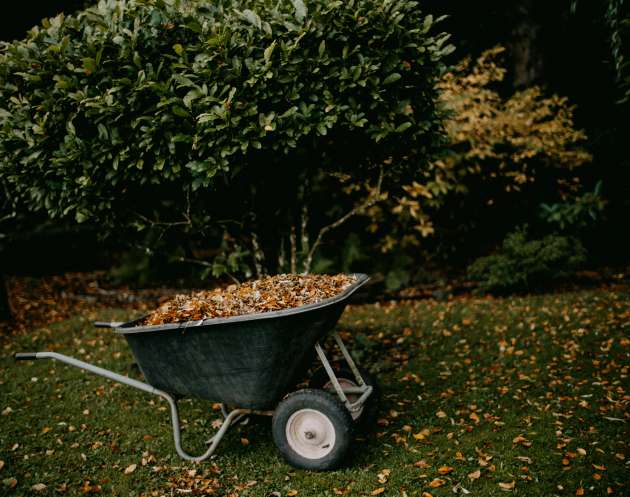
I give each of the children a rake of their own size, and we rake enormous heaps of leaves by color. The creative play is then underway: leaf rainbows, leaf mandalas, even enormous smiley faces in the lawn.
When we finish the masterworks, we rake and stack them in a corner to dry as leaf mulch. It’s great for spring flowering beds, and the kids love to see their “art” feed flowers next spring.
Dad’s Tip: Throw in a bag of leaves if you’ve bought compost. It will rot well and prevent you from buying mulch next year.
The Magic of Bulb Planting
It’s such a serene kind of magic to work with children. You’re really showing restraint, the virtue that toil today makes tomorrow beautiful.
At home, every child has his/her own special place in the earth or pot. We’ve learned that we see daffodils, crocuses, and tulips as being cheap, long-lasting, and reliable. The children t in the bulbs, dig them in, and stake out their location with a stick on which they’ve written their name.
By spring, when they’re up and in shoot, they’re just posing them that look—the “I did it” look. Well worth it.
Budget tip: September bulk bulb bags are available to purchase in garden centres and pound shops. Pots can be topped with compost delivered for that burst of nutrients.
Build A Bug Hotel
If you’ve got kids who love creepy-crawlies or even ones who are a bit nervous of them, building a bug hotel is a perfect afternoon project.
We use whatever’s lying around: old bricks, bamboo canes, pinecones, bits of bark, straw, and empty loo roll tubes. Stack them in a crate or wooden box, fill all the gaps, and tuck them in a sheltered garden corner.
The children enjoy checking it every few weeks. Ladybirds, beetles, and even a hedgehog sniffing around become visible. It’s such a great way to teach a mini science lesson about pollinators and habitats.
Plant For Wildlife
My favorite dad moment last year was when my son pointed at a lavender bush and said, “The bees love that!” He’d remembered planting the lavender with me the autumn before.
Time now to plant pollinator perennials that will return next year in a blaze: lavender, salvia, and herbs like rosemary or thyme. Plant them in the ground now, and roots established over winter, and you can expect healthy blooms next year.
The children like watering and reserving spaces. It’s an effective way of demonstrating to them how small gardens can contribute.
Treasure Hunts around the Garden
When concentration is brief, I keep it fun. I’ll make a list:
- Bring me three leaves of assorted colour
- Bring me something that crawls on the floor
- Bring me five pinecones
- Bring me the “fattest worm” (a long-time favorite)
It keeps them busy while I get the rest of the shed tidied up or clog drains. And as the culmination of the treasure hunt, we make use of what they’ve discovered, pinecones and igs are fine natural Christmas ornaments later in the season.
End-of-day ritual: We tidy up, store gear, and top it all off with cups of hot cocoa. It is the small ritual that sends them out into the wilderness without a complaint the following time.
Conclusion
Autumn and winter can so easily be screen seasons and enacted indoors. Get the children out, though raking, planting, probing, and it all comes round again. It doesn’t have to be the perfect lawn; it is the little rituals and the closeness. The fresh air, the giggles, and that
wonderful knackered feeling you get from having done something physical. And come spring, and when the first of their bulbs flowers, they’ll go out and behold their flowers with pride, which will be all that they have worked for.