There are two types of dads: the ones who love DIY, and the ones who end up doing DIY because paying someone else feels like daylight robbery. I’m somewhere in the middle.
That said, there’s one job I’ve learned every homeowner in the UK should know, bleeding radiators and balancing your heating system. It sounds complicated, but it’s one of those little tricks that keeps the house warm, stops the kids complaining their rooms are freezing, and spares you a call-out fee that could easily be £80–£100 for a ten-minute job.
Why Bother Bleeding
As soon as autumn hits and the heating goes back on, most of us notice the same problem some radiators feel hot at the bottom but cold at the top. That’s trapped air. The air takes up space, preventing hot water from filling the whole radiator, which reduces efficiency.
The result?
Colder rooms, a boiler is working harder than it should, and higher energy bills, which nobody needs in the winter.
Balancing, on the other hand, makes sure all your radiators heat evenly. Without it, the one nearest the boiler roasts while the one furthest away takes forever to warm up.
Tools You Need
Nothing fancy here:
- A radiator key (about £1 from any DIY shop)
- An old towel or cloth
- A bowl or jug for drips
- A flathead screwdriver (for balancing, depending on your valves) • Optional Pliers if your radiator valves are stiff, and a bit of patience.
Step 1: Bleeding Your Radiators
- Turn the heating off. Let everything cool down. Bleeding radiators with the heating on is a recipe for scalded fingers and swearing.
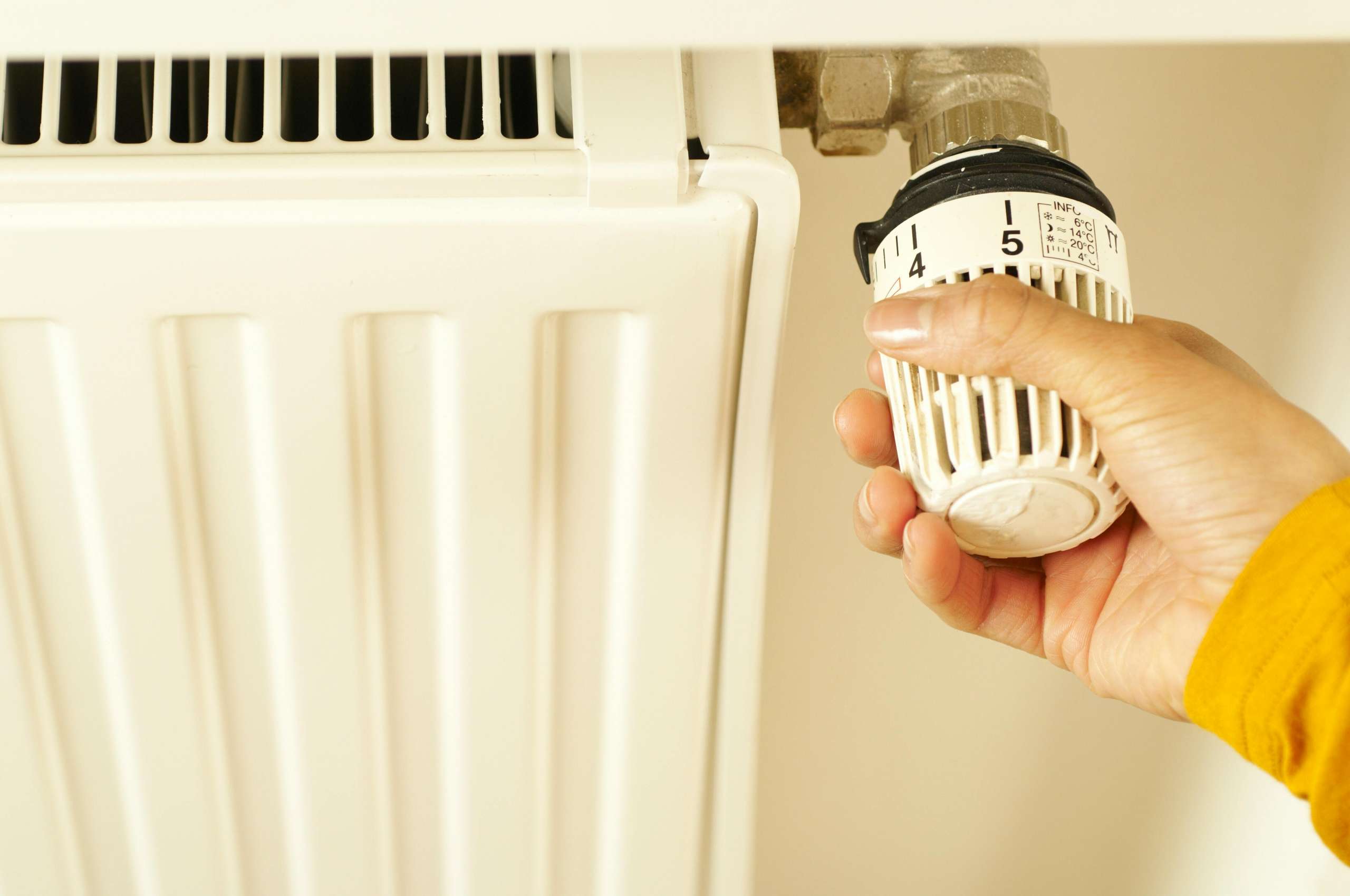
- Find the bleed valve. It’s usually at the top corner of the radiator. Pop the radiator key on it.
- Open slowly. Turn anti-clockwise, just a quarter-turn. You’ll hear a hiss—that’s the trapped air escaping.
- Catch the drip. Keep your bowl and towel handy. Once water starts dribbling out steadily, the air’s gone. Close the valve.
- Repeat around the house. Work through all your radiators, starting with the one furthest from the boiler.
- Check the boiler pressure. After bleeding, your boiler’s pressure might drop. It should sit around 1–1.5 bar when cool. If it’s low, top it up using the filling loop (usually a small silver hose under the boiler).
Step 2 B: Balancing Your Heating
Bleeding sorts the air problem, but balancing sorts the flow problem.
- Turn the heating back on. Let all the radiators warm up.
- Turn off all but one. Start with the radiator closest to the boiler. Leave that one on, turn the rest off at the lockshield valve (the smaller valve, usually with a plastic cap).
- Time how long it heats up. Once it’s hot, note the time.
- Work your way outwards. Turn that radiator down, then move to the next one. Adjust its lockshield valve so it takes the same amount of time to heat as the first. 5. Repeat across the house. The goal is to make sure radiators further away from the boiler aren’t left shivering.
It’s a bit fiddly, but once done, every room should heat more evenly—no more freezing bedrooms while the living room feels like a sauna.
Dad Tips and Pitfalls
- Don’t overtighten the bleed valve. Gently tighten it to prevent damage to the valve.
- Have tissues ready. The water from radiators can be rusty brown it can leave stains.
- Patience is key when balancing. It’s more art than science, but once you’ve cracked it, you won’t need to do it again for a while.
- Get the kids involved. My love for “helping” by holding the bowl or timing the warm-up with a stopwatch.
Conclusion
Being a dad, a husband, and a homeowner often feels like you’re a part-time caretaker and a full-time budget manager. Bleeding and balancing radiators won’t win you any medals, but it’s one of those small autumn jobs that make winter so much easier. I noticed bedrooms getting warmed up faster, and the energy bill dipping enough to feel smug. The job cost about a fiver in tools and an hour of my Saturday. That’s a win in my book. So next time you put the heating on and notice a cold radiator, grab a key, a towel, and a bit of confidence. You’ll be surprised how simple it is, and how much warmer your home feels.